Artificial intelligence has the potential to transform healthcare, but meaningful progress depends on more than technology alone. It requires collaboration between medical professionals, healthcare institutions, researchers, engineers, and the people building digital health solutions.
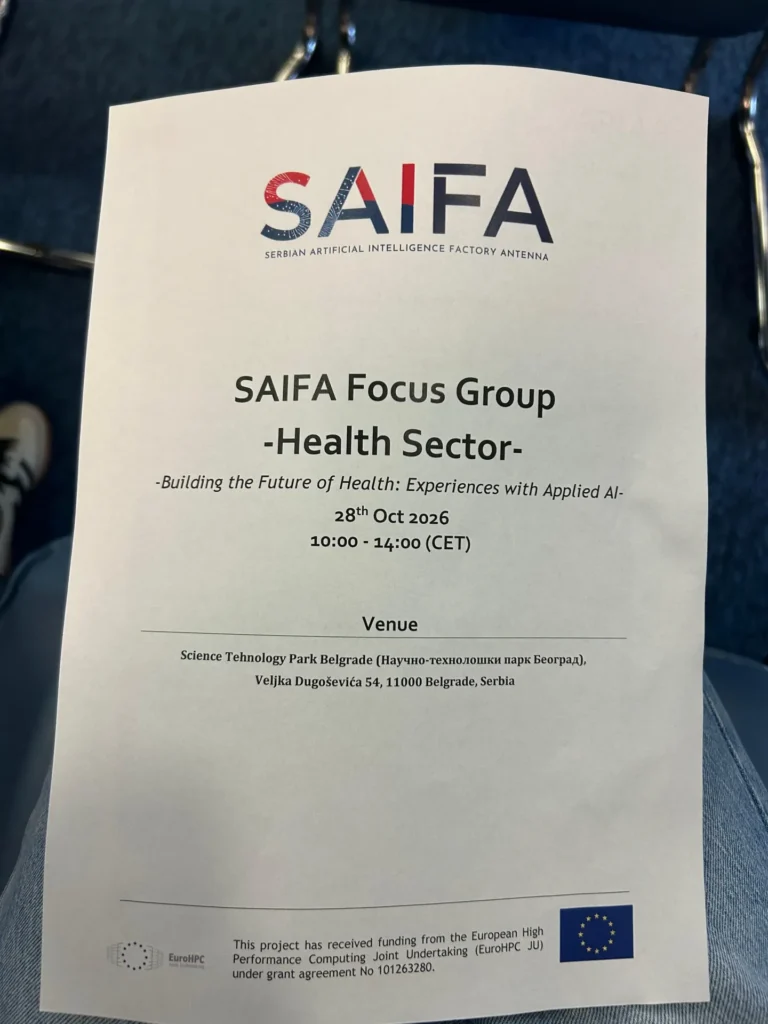
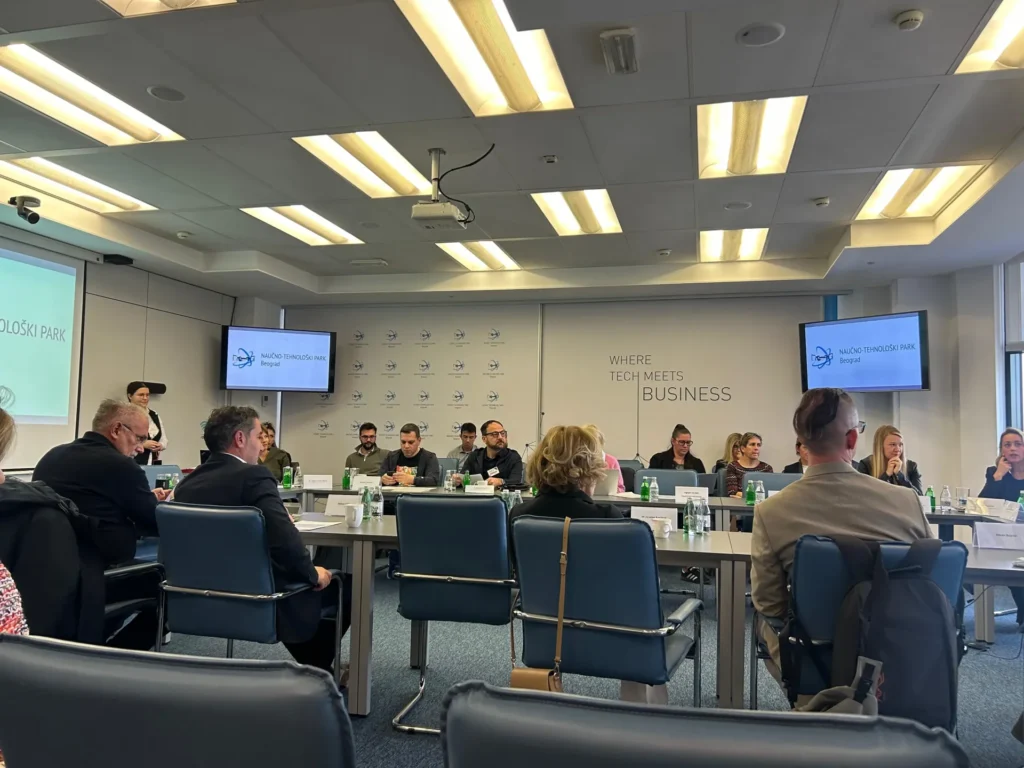
These topics were at the centre of the healthcare sector roundtable organized by SAIFA (Serbian Artificial Intelligence Factory Antenna), which brought together experts from artificial intelligence, medicine, academia, healthcare institutions, data infrastructure, and engineering to explore how Serbia’s fragmented healthcare ecosystem can become more connected.
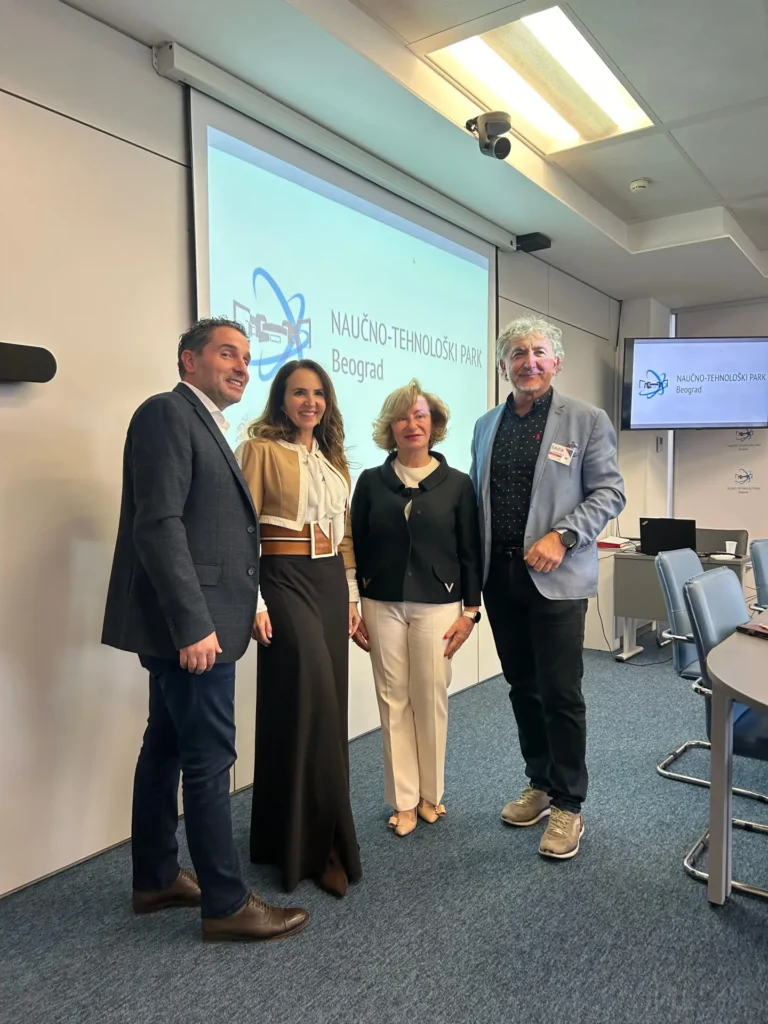
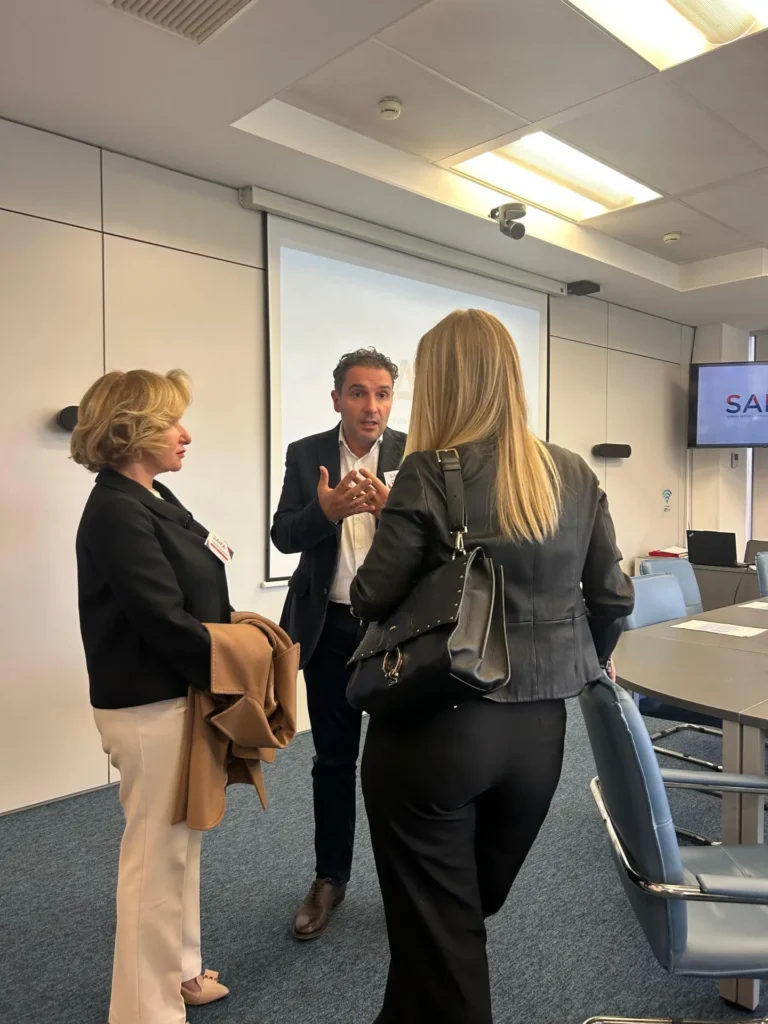
Dr. Džihan Abazović and Selena Nikolić, representing the Baby FM team, participated in the roundtable, contributing to a broader discussion on the challenges and opportunities shaping the future of digital healthcare.
From Fragmented Systems to Shared Solutions
One of the central themes of the discussion was how different stakeholders can combine their expertise, data, and resources to identify real challenges and develop practical, AI-driven solutions.
Participants highlighted several barriers to digital transformation in healthcare, including limited digitalization, resistance to change, insufficient data exchange, and the need for clearer alignment with regulatory requirements.
The discussion also explored opportunities to make better use of existing databases and digitize routine hospital processes, such as temperature monitoring records. These seemingly small operational improvements can be important steps toward more connected, efficient, and data-driven healthcare systems.
Another promising direction was collaboration with smaller and private healthcare institutions, creating opportunities to test successful approaches and scale solutions across a wider network of healthcare providers.
Why Collaboration Matters for Digital Health
At Baby FM, we see the value of connecting healthcare expertise with practical digital solutions. Our work focuses on temperature monitoring, digital health information, and technology designed to support parents and healthcare professionals.
These applications illustrate how routine health measurements and other relevant information can be transformed into structured digital data, making it easier to access, monitor, and integrate into healthcare workflows.
The broader opportunity lies in connecting individual solutions with the people and institutions that use them. Better data exchange, interoperability, and collaboration between technology developers and healthcare professionals can help ensure that digital tools address real-world needs.
At the same time, responsible innovation requires more than technical capabilities. Data protection, regulatory compliance, reliability, and the realities of clinical practice must remain central to the development and implementation of healthcare technologies.
Discussions such as the SAIFA roundtable provide an opportunity to bring these perspectives together and explore how innovation can translate into practical improvements across the healthcare ecosystem.
Turning Discussion into Action
The roundtable also focused on identifying the resources each stakeholder could contribute – from specialized expertise and data to infrastructure and access to real-world healthcare environments – and connecting those resources with challenges they could help solve.
This approach creates opportunities to move beyond isolated initiatives toward collaborative projects with practical applications and the potential to scale.
SAIFA will continue organizing activities that support the co-creation of concrete projects, strengthen cooperation, improve data sharing, and accelerate the responsible adoption of artificial intelligence in Serbia’s healthcare sector.
Building a more connected healthcare ecosystem is a shared effort. By bringing together medical knowledge, technological expertise, and institutional cooperation, Serbia can create better conditions for digital health innovation and help turn promising ideas into solutions that make a meaningful difference in everyday healthcare.
For Baby FM, being part of this broader conversation reflects the importance of collaboration in advancing digital health – ensuring that technology development remains connected to the needs of healthcare professionals, institutions, and the people they serve.